This article originally appeared in The Municipal Journal.
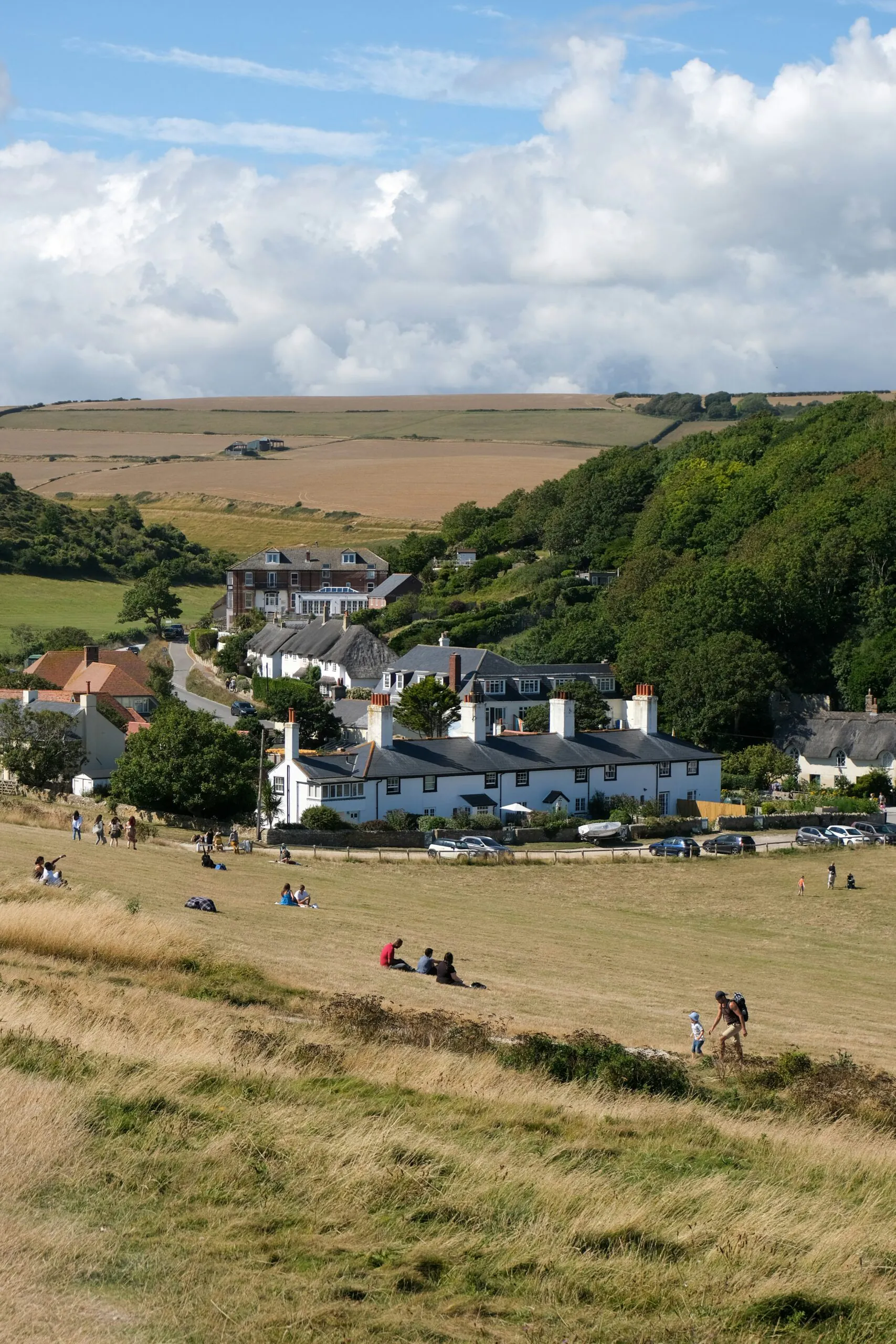
Imagine living in a place which owned its own wind turbine. Where the village shop was owned and run by local people. Where a network of local social enterprises collaborated to bid for contracts from the public sector. Where all residents felt empowered to participate in developing an action plan for their community. Where the community owned the land their houses were built on, made sure new homes were affordable and were not sold as second homes. Is this a fantasy village? Possibly. But the fact is that rural places across the UK are already delivering all of these constituent parts. The next – and crucial – step is bringing them together.
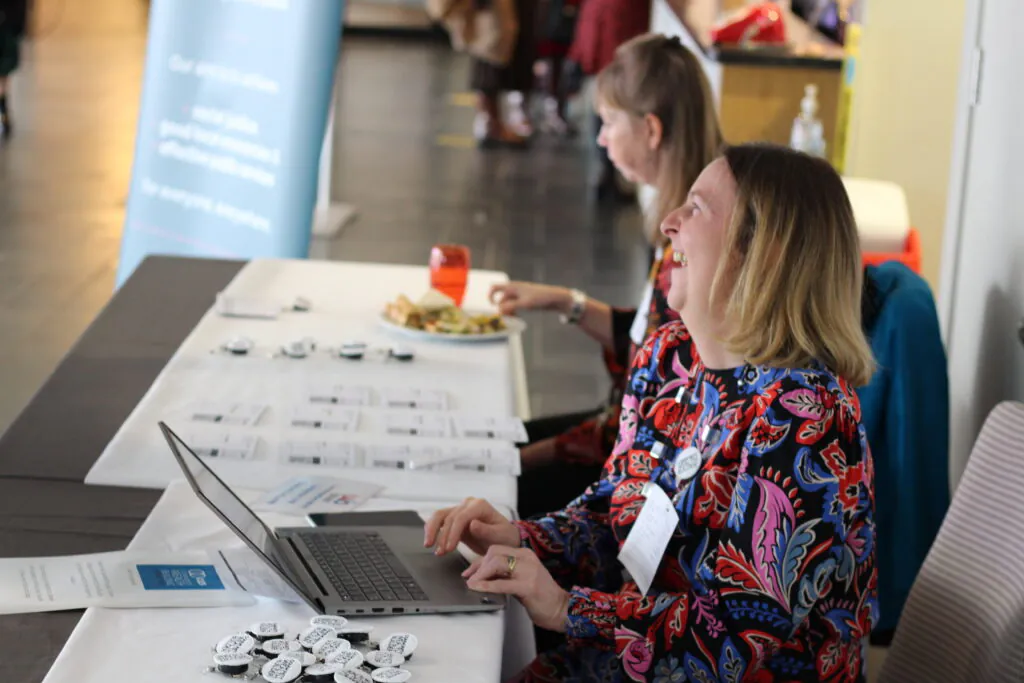
The second of CLES’s Community Wealth Building Conversations, last week, focused on how the approach works in a rural context. One of the challenges frequently levelled at the community wealth building movement is that it is an urban-centric and -focused method of economic development. When the vast majority of the UK is rural, ensuring that community wealth building can be delivered across all our regions is important. We know that many of the more visible challenges facing urban communities – like poverty – can be masked in rural places. Not only this, but often the lack of rural infrastructure can compound poverty and exacerbate the challenges facing people in their places.
“opportunities […] can be present as well “
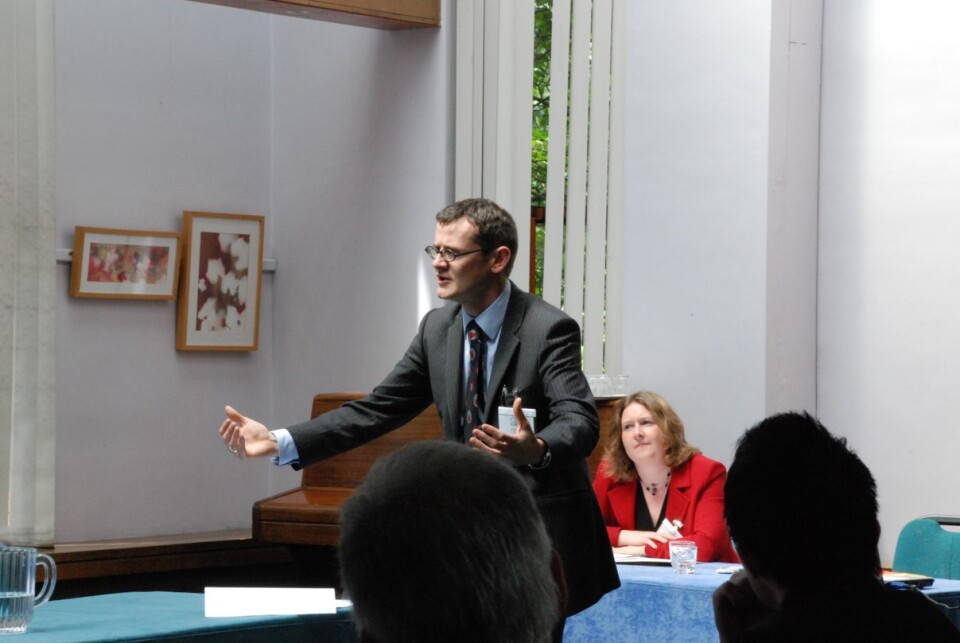
Our panellists at the event – Neil McInroy, Global Lead for Community Wealth Building for The Democracy Collaborative, and Cllr Lisa Brown, Deputy Leader for Cumberland Council – opened the proceedings with provocations highlighting some of the challenges our rural places face. Transport, housing and service delivery all got a mention, but they also noted the opportunities that can be present as well – in energy, food and tackling issues like climate change. Ownership of land was also noted as a key theme as the inequality of who does and who doesn’t own the ground we stand on clearly demonstrates the extraction of wealth from our places.
The event’s group discussions again pinpointed many of the challenges faced by our rural economies. Power, and the many forms it can take, was a reoccurring theme. The inequality of resource ownership, the inequity of access to funding and the challenge posed by a declining population all are caused by, or contribute to, power imbalances. Power of another kind was also flagged as important: how local people can own and benefit from the renewable energy sources around them, and how this money can be shared better with other communities was a significant point of conversation. Empowering was raised too, how can we empower our people and their places so they can take a more active role in shaping and benefiting from their local economy. Building resilience, capacity and drive was seen as essential. The times when things were “done to” our communities is over, the future needs to be collaborative and place-based.
“driving the agenda”
The rural community wealth building conversation showed that some of our rural places have been the most active in driving the agenda, often without the support of national or even local government. Initiatives from the length and breadth of the UK were discussed by participants. The fact that these initiatives – some of which were the ones I listed at the start of this article – have often developed in spite of the policy context around them is a testament to the tenacity, creativity and drive some places show.
“unite around our sense of place and build community wealth from there”
My most lasting reflection from the conversation was a point raised in a discussion group by a participant from Wales. He highlighted the power of culture and heritage in the community wealth building journey, posing the question of whether uniting over language or a shared history could bring together communities, as he had seen happening in Wales. He discussed Cymunedoli, which is an organisation of social enterprises within Wales who have come together to build and promote community entrepreneurship and therefore create a culture of cohesion for the social economy. The core message of the day was clear. If we can unite around our sense of place and build community wealth from there, and if we can make this process inclusive, rather than exclusive, then we have a golden opportunity to empower better rural economies from the ground up.
CLES highlights how rural areas are already pioneering elements of community wealth building—community‑owned energy, local enterprises, land stewardship and participatory planning. Yet rural challenges such as poor infrastructure, unequal land ownership and funding barriers persist. The piece argues that empowering rural communities with ownership, resources and agency is essential to tackle inequality and build resilient local economies.