A National Care Service must start with reforming the care market
At Labour Party conference, Andy Burnham promised a National Care Service built around “people not profit”. His pledge formed part…
Who owns your street? Not who lives there – who owns it. The shop fronts, the vacant land at the back behind the high street, the waste ground nobody’s used in years. In most of Scotland, the answer is probably not the people who live around it.
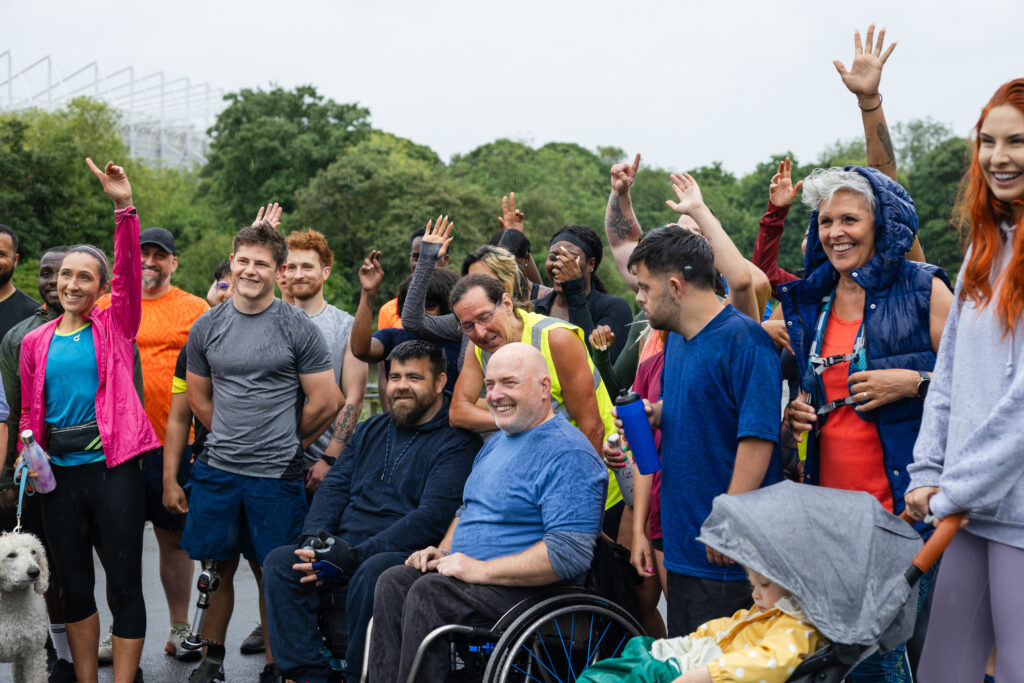
In July, we along with five other organisations – Community Land Scotland, Cwmpas, the Coalfields Regeneration Trust Wales, the Ubele Initiative and Shared Assets – began a five-year, UK-wide partnership called Inclusive Ownership, funded by the National Lottery Community Fund. The project is a partnership supporting communities to take ownership of land and buildings across the UK. The project is prioritising urban and post-industrial communities, Black and minority ethnic communities and communities facing higher levels of deprivation. These are all groups who have historically found the door to ownership hardest to open.
It is early days, but the timing is just right. The project speaks to the question I raised in my last blog: Scotland has legislated for a new economic model, but does it really understand what that model can do for the people who need it most?
The Community Wealth Building (Scotland) Act along with the Land Reform (Scotland) Acts of 2003, 2016, 2018 and 2025 and the Community Empowerment (Scotland) Act 2015 all give communities real tools to take on ownership of land and assets in their areas. Community wealth building action plans could include utilising common good property for community benefit, including transferring ownership to community organisations, and plans could track progress through indicators such as use of the community right to buy. On paper, that is precisely the kind of lever that could shift who owns a place, not just who occupies it.
But a higher number of community asset transfers doesn’t give the full picture. It doesn’t tell you who that number includes, or whether these were assets or liabilities. An action plan could report growth in community ownership but miss the communities who have never had the confidence, the capital or the networks to get through the door in the first place. That is the gap the Inclusive Ownership project has been designed to understand and to close.
Ownership of our economy and our places is at the heart of community wealth building. It is the bedrock it is built from. In the last few months, I’ve been really heartened to see other organisations working on poverty in the UK start exploring the connection between how far ownership of assets and resources, not just access to them, shapes who stays trapped in poverty and who does not. The communities who have historically had the least influence over land and assets in their area are frequently the same communities who experience the deepest and most persistent poverty. Seen that way, ownership is deep at the heart of tackling poverty in Scotland.
October brings Challenge Poverty Week here in Scotland, a time for events, talks and hopefully action. Making the link between community wealth building and poverty is essential. Poverty is a function of the economic system we live in; it has been designed in, and it can be designed out. We can do that through ensuring more people own the economy and own the land and assets which surround them. Community ownership of assets should be the norm, not the exception.
The Inclusive Ownership project is a really exciting opportunity beyond Scotland. We will be bringing that learning back to think about how the guidance for community wealth building action plans is designed, and what other places can learn from the project. We have a great opportunity here in Scotland. The community wealth building legislation can open a door. Whether the people who have been locked out for longest actually get to walk through it is still up to us.
Want to make your local economy fairer and stronger? Talk to us – we’re here to help you make change happen.
For press enquiries please reach out to us on rosielockwood@cles.org.uk, or by calling 07802 453340
Contact us