Aligning community wealth building with just transitions
This workshop guide is the product of a major two-year international research partnership funded by the British Academy, led by…

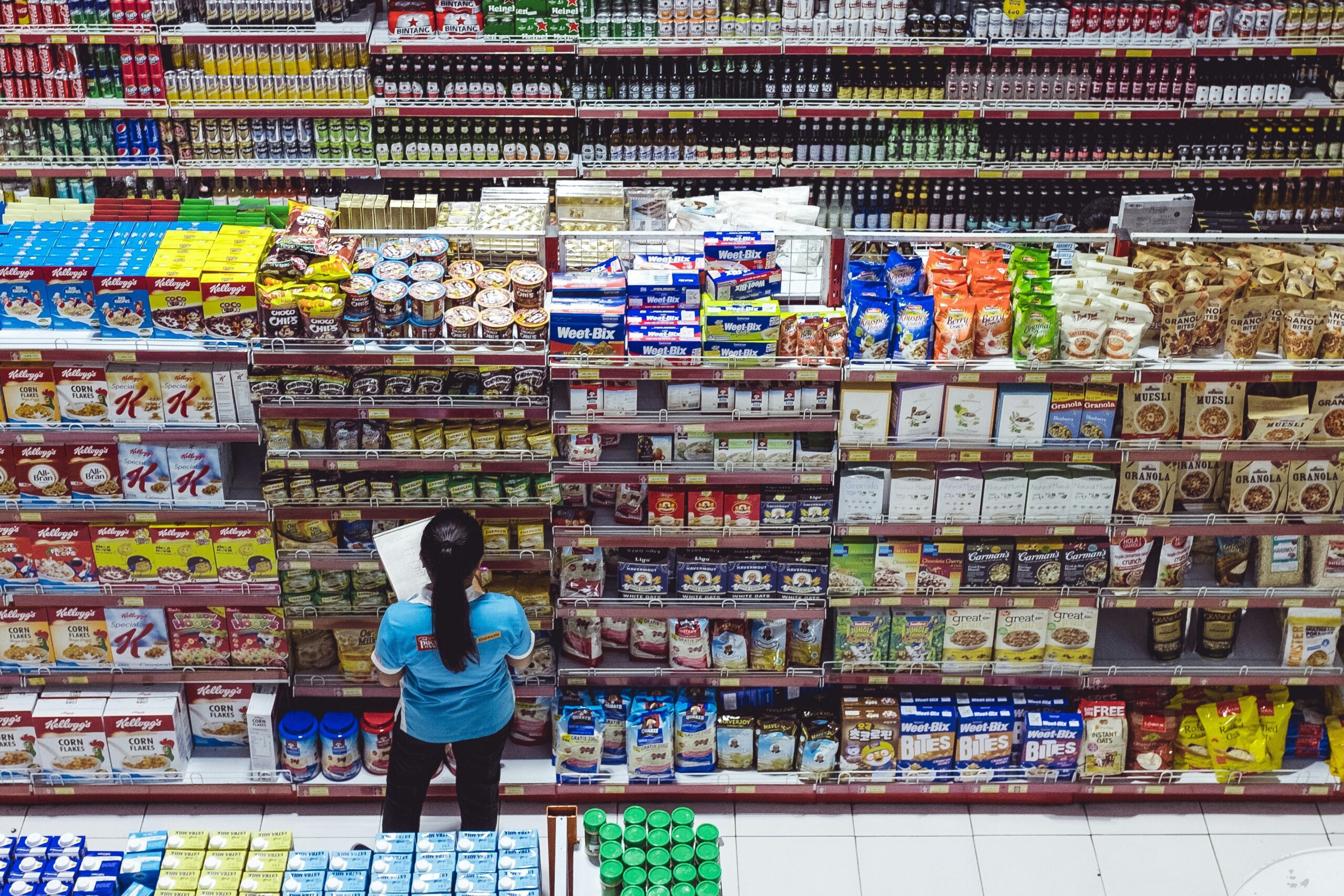
That was New York City mayor, Zohran Mamdani’s challenge to critics of his plan to open five city-owned supermarkets.
The proposal treats food as a shared public good, not simply a market commodity, and it was central to Mamdani’s successful election platform. His promise to make everyday essentials such as food, childcare and rent more affordable turns the usual argument – that public bodies cannot and should not compete with big corporations – on its head. It also appears to resonate with voters: according to polling by the Climate and Community Institute and Data for Progress, two-thirds of New Yorkers support the creation of city-owned grocery stores.
Mamdani’s politics may be shaped by New York’s soaring cost of living, but the questions he is asking are not unique to the city. Food is one of the clearest examples of the “foundational economy”: the essential goods and services that people need to live a decent life. It is estimated that 14.1 million people the UK are facing food insecurity. That means parents skipping meals so their children can eat, people relying on discount shelves at the end of the day or choosing between heating and groceries as prices rise.
And where we buy our food shouldn’t be ignored. In the UK, more than 80 per cent of groceries are bought from just six supermarket chains. That model has delivered convenience and, at times, lower prices. But it also means massive power sits with a small number of companies who are accountable to their shareholders rather than public needs. Recent years show the hidden risks of this model. Cyber-attacks, climate-driven crop failures and conflict have all disrupted food prices and availability. When food depends on long, complex, international supply chains controlled by a handful of firms, problems far away quickly become problems at home. What looked efficient on paper has become increasingly unstable in real life.
A more stable food system needs to spread risk, production, and economic power more widely. That means supporting and growing locally-rooted businesses, under different types of ownership, and rebuilding supply chains that have narrowed towards a few large players under the supermarket system.
In England, many of the tools to act already sit with metro mayors. They are responsible for jobs, growth and regeneration in their regions, but voters will mostly judge them on whether the economic foundations of everyday life are becoming more or less stable – not how much private investment has been generated.
A mayor who understands these risks does not need to wait for Parliament to pass new laws. They could start by making food security a central aim of their (sub) regional economic strategy. This would unlock a wide range of existing powers and resources to support that priority. Community Wealth Building – an economic development approach that uses local public spending, land and assets, and investment to keep money circulating locally – has already shown how local powers can be leveraged in service of local needs. Why not apply this to the food system?
The idea of government competing directly with big corporations in the food sector may sound unusual, but it has happened – during World War Two the government-owned British Restaurants grew bigger than McDonald’s and successfully fed a wartime nation. Taking a leaf from this at a time of new struggle, Nottingham and Dundee are already experimenting with publicly owned restaurants to ensure that local families can reliably get healthy, affordable food.
Imagine if the next mayoral development corporation or special economic zone was built not around expensive buy to let housing or business parks, but around creating a more resilient food system. It could use tax incentives to attract public and private investment: creating a cluster of growing spaces, processing facilities, public restaurants, affordable wholesalers, and community-owned shops. All underpinned by the guaranteed purchasing power of local anchor institutions, like schools, universities and hospitals. That would go a long way to creating a more resilient, lower-carbon food system.
Mamdani’s city-owned supermarket is not just a policy idea. It is a bold political strategy to act on the everyday pressures people feel most. If the market cannot deliver affordable food, decent jobs and reliable supply, should local leaders simply manage the consequences – or step in to change the system?
English mayors now have that choice. And voters will judge them on it. Because while people rarely notice procurement policies or economic strategies, they always notice what their food costs – and who is willing to do something about it.
Want to make your local economy fairer and stronger? Talk to us – we’re here to help you make change happen.
For press enquiries please reach out to us on rosielockwood@cles.org.uk, or by calling 07802 453340
Contact us