Aligning community wealth building with just transitions
This workshop guide is the product of a major two-year international research partnership funded by the British Academy, led by…
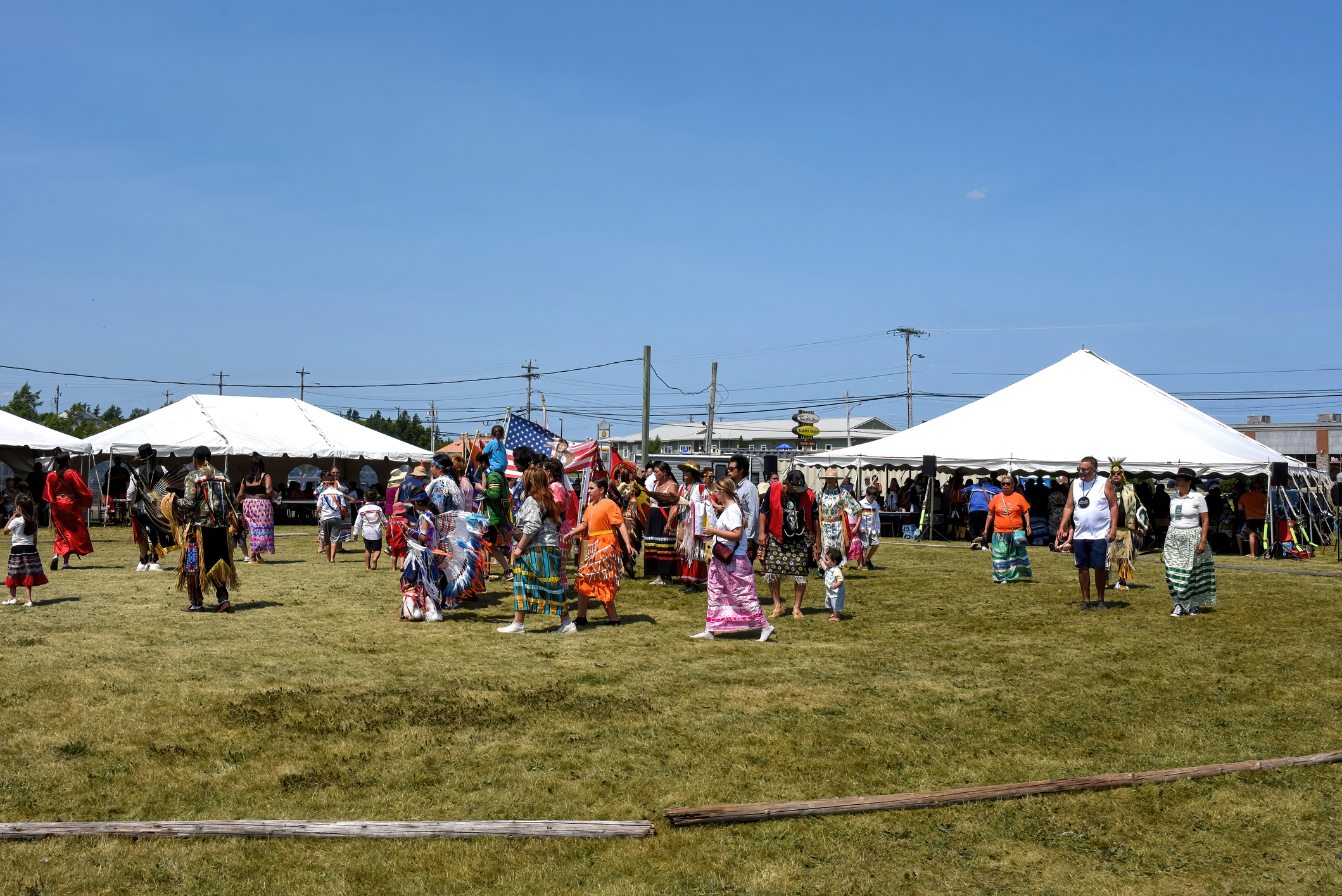
Just as the Cabinet statement ‘Rewiring the State’ was published, I was in Nova Scotia listening to Chris Googoos, chief operating officer of Ulnooweg and executive director of the Ulnooweg Indigenous Communities Foundation, a charity that helps strengthen the relationships between Canada’s philanthropic sector and the indigenous communities of Atlantic Canada.
In his keynote address, Chris powerfully outlined his vision of good growth, arguing that ‘wealth only has meaning when it improves the lives of people around us’ and that ‘ownership creates agency, resilience, opportunity and self-determination’.
The Mi’kmaq, the largest of the Native American (First Nations) people, understand better than most the value of ownership, not simply as a system of property rights, but as a relationship between people, lands and places.
Colonialism was and continues to be a highly extractive economic system which treated people and place as a transactional exercise in generating profit. The legal fact is the Mi’kmaq never surrendered or sold their land to colonial settlers – they live on the unceded, sovereign territory of the Mi’kmaq Nation.
In Atlantic Canada, ownership is central to what organisations like Ulnooweg are doing to develop community wealth in indigenous communities. They are building institutions to help provide the tools and capacity to support communities and strengthen confidence and agency. Through initiatives such as the Mi’kmaq’s $1bn takeover of the biggest seafood company in Atlantic Canada, First Nation communities are redirecting wealth back into Nova Scotia and making a meaningful difference to people’s lives.
In the ambition outlined in the Cabinet statement on Rewiring the State, there are echoes of the frustration felt by many Mi’kmaq communities across Nova Scotia.
Many places, many communities across the UK, feel their rights are being actively undermined by the experience of economic extraction and overt profiteering on a daily basis. Their rights to the basics of life, namely, shelter, water and food, are denied.
The Cabinet statement does not mince its words in the type of response required, arguing for a fundamental rewiring of the way the UK works and ‘surrendering power that for too long has been held in Westminster and Whitehall and returning it to people and the places’. The opportunity is to rethink not just at the geography of institutions, but also the centralised ownership that our economic system currently enables.
It is a system that has allowed private equity to take ownership of our public services and utilities, from which profits are being siphoned out to overseas tax havens. A system that has also enabled a centralisation of ownership which sees big finance buying up the components of local economies, including derelict property on high streets, affordable homes, the local vet, nurseries, funeral directors and increasingly, start-up and employee-owned businesses.
When these businesses cease to be locally owned, the benefits do not return to the local economy, including much-needed tax revenues for public services.
The Cabinet statement argues for action on local leadership and public service reform, control over local tax revenue and the development of strong local institutions. These actions can help – not only to rewire the political power of the UK, but to reclaim the ownership of our local economies so that the Burnham vision of good growth can be realised.
Can we design policy initiatives such as mayoral development corporations so that they go further in their creation of jobs and homes, to provide communities with an ownership stake in how wealth is invested for the next generation?
How can new institutions design policy with the in-built assumption that the wealth and means of wealth creation will include an ownership stake for communities?
Ultimately, we can evaluate the extent to which devolution delivers on its promise of good growth, not simply by how much wealth is created, but who owns it, who benefits and whether the investment is wired to benefit future generations.
Back in Nova Scotia, even in the face of centuries of colonial persecution and economic extraction, the Mi’kmaq show us how good growth can be rebuilt.
They are rediscovering the lessons of old economics, where the resilience of place is built on the strengths of the people, assets and land that already exists and where wealth bubbles up like a freshwater spring, rather than a timid trickle from big capital economics.
This article originally appeared in the Municipal Journal.
Want to make your local economy fairer and stronger? Talk to us – we’re here to help you make change happen.
For press enquiries please reach out to us on rosielockwood@cles.org.uk, or by calling 07802 453340
Contact us